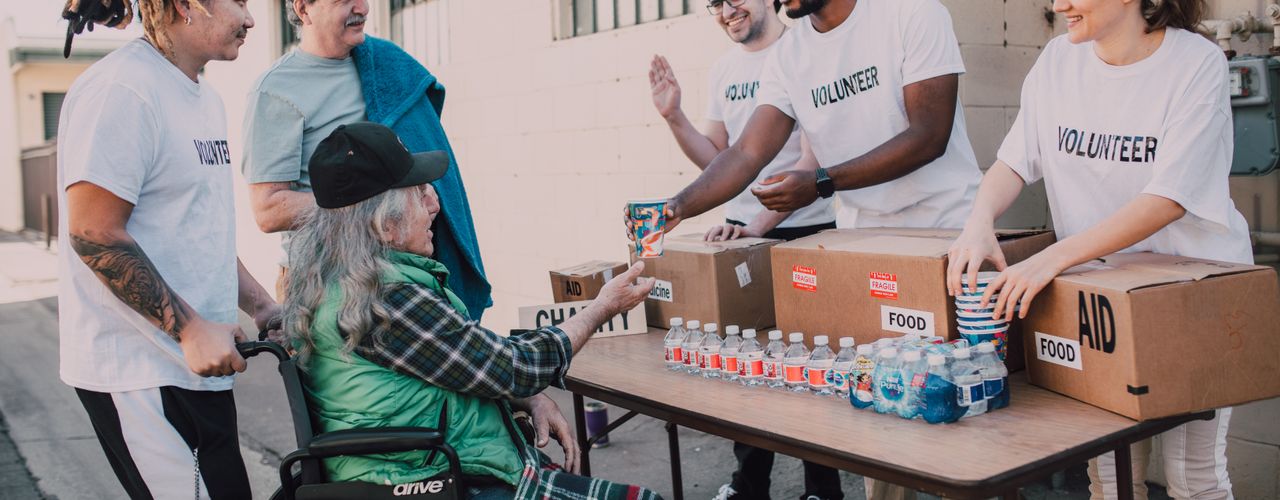
Across America, an estimated 10 million fraternal organization members dedicate themselves to service that generates over $10 billion in cumulative community impact. From college scholarships to disaster relief efforts, from youth mentorship programs to veteran support networks, fraternal lodges stand as pillars of charitable giving and civic engagement that often go underrecognized in broader conversations about philanthropy and community development. This deep dive explores how major fraternal organizations like the Elks, Moose, Eagles, and Lions have transformed countless lives and strengthened communities through sustained, meaningful investment in their neighbors.
The Historical Foundation of Fraternal Giving: Building Community Through Brotherhood
Fraternal organizations in America trace their roots back to the colonial era, with many modern lodges establishing themselves in the nineteenth and early twentieth centuries. These organizations were founded on principles that extended far beyond social gathering—they embedded charitable service, mutual aid, and community improvement into their fundamental constitutions. The Benevolent and Protective Order of Elks, established in 1868, explicitly committed itself to the four cardinal virtues: Charity, Justice, Brotherly Love, and Fidelity. This philosophical foundation has shaped fraternal giving patterns for over 150 years.
What distinguishes fraternal charitable giving from other philanthropic models is the sustained, personal commitment members make at the local lodge level. When a member joins the Elks, Moose, Eagles, or Lions, they don't simply write a donation check—they become part of an organized infrastructure dedicated to delivering services directly to their community. This localized approach ensures that charitable efforts address specific community needs rather than following a one-size-fits-all national model.
The Evolution of Fraternal Charitable Infrastructure
Throughout the twentieth century, fraternal organizations developed sophisticated charitable systems. The Moose International established Mooseheart, a 1,000-acre residential facility serving children whose parents faced economic hardship, and Moosehaven, a retirement community for elderly members and their spouses. The Elks created their Elks National Foundation, which has grown into a multimillion-dollar charitable engine. These institutional commitments demonstrate how fraternal organizations moved beyond simple fundraising to create lasting charitable infrastructure.
Modern Fraternal Charitable Philosophy
Today's fraternal organizations operate from a comprehensive understanding that community impact requires strategic focus areas. Rather than attempting to address every social need, major lodges concentrate resources on youth development, senior support, education, and emergency relief. This focused approach has proven effective because it allows organizations to measure impact, develop expertise, and build relationships with partner organizations serving the same constituencies.
Scholarship Programs: Investing in America's Future Leaders
Educational investment represents one of the largest and most consistent charitable commitments of fraternal organizations. The Benevolent and Protective Order of Elks has awarded over $360 million in scholarships since establishing their scholarship program. The Elks National Foundation administers multiple award programs annually, including Most Valuable Student scholarships that provide up to $20,000 per recipient, Legacy Awards, and Emergency Educational Grants. These programs specifically target students demonstrating financial need, academic achievement, and community involvement—the same values that define fraternal membership.
The Moose International's scholarship initiatives include the Moose Foundation scholarships for dependent children of members, which have distributed millions of dollars in educational support. The Knights of Columbus, another major fraternal organization, has committed over $2 billion to charitable causes in the past decade, with significant portions dedicated to educational programs serving both member families and students in their communities. The Lions Club International's foundation provides scholarships through their major gifts program, recognizing that educational opportunity represents one of the highest-impact investments any organization can make.
Beyond Traditional Scholarships: Comprehensive Educational Support
Modern fraternal scholarship programs have evolved beyond simply providing tuition assistance. Many lodges now offer mentorship connections, internship placements, and professional networking opportunities. The Elks' Graduates of the Year program not only awards scholarships but creates mentoring relationships between lodge members and recipients, extending support throughout their college careers. Recipients often report that these personal connections proved as valuable as the financial awards themselves, providing guidance during crucial developmental years.
Creating Pathways for Underrepresented Students
Recognizing demographic shifts in American higher education, fraternal organizations have increasingly targeted scholarships toward students from underrepresented backgrounds. Programs specifically support first-generation college students, students of color, and residents of rural or economically disadvantaged areas. This strategic focus ensures that fraternal investment in education directly addresses persistent educational inequities while building a more diverse future leadership pipeline.
Key Impact: Fraternal organizations have awarded over $500 million in scholarships and educational grants in recent decades, creating pathways to college for students who might otherwise lack resources to pursue higher education.
Disaster Relief and Emergency Response: Fraternal Lodges as First Responders
When communities face natural disasters, fraternal organizations consistently emerge as rapid-response networks capable of mobilizing substantial resources and volunteer labor. Following Hurricane Katrina in 2005, fraternal organizations raised millions in relief funds, with Elks lodges alone contributing over $40 million to Gulf Coast recovery efforts. Members provided not just financial support but physical presence—helping with rebuilding efforts, providing meals to volunteers, and offering emotional support to displaced residents.
This disaster relief capacity flows directly from fraternal infrastructure. Because lodges exist in virtually every American community, they can rapidly coordinate local response efforts. When a tornado strikes Oklahoma, the local Eagles lodge immediately activates its network to identify needs, provide temporary shelter and meals, and coordinate ongoing support. When flooding devastates Louisiana communities, Moose lodges mobilize members with construction skills, supplies, and equipment. This decentralized but coordinated structure enables response that often reaches affected residents faster than national organizations.
Sustained Recovery Support
Fraternal disaster relief efforts typically extend far beyond immediate response. Following the 2017 California wildfires, fraternal organizations maintained presence for months, providing supplies to residents whose insurance coverage fell short of recovery needs. Lions clubs brought equipment and volunteer labor to help clear debris. Elks lodges established community gathering spaces where residents could connect with case workers and resources. This sustained presence during recovery phase proves crucial because disaster reconstruction requires months or years of ongoing effort.
Preparedness and Prevention Programs
Beyond disaster response, fraternal organizations invest in preparedness education. Elks lodges sponsor disaster preparedness workshops. Lions clubs conduct safety training on flood preparation and wildfire evacuation. These preventive programs reduce disaster impact by ensuring community members understand how to protect themselves and their property. This proactive approach represents evolved disaster relief philosophy—helping communities avoid disaster when possible, respond rapidly when necessary, and recover comprehensively once crisis passes.
Youth Development and Mentorship: Building Tomorrow's Citizens
Fraternal organizations recognize that youth development represents both a moral imperative and a strategic long-term investment in community strength. The Elks Youth Programs initiative supports young people through multiple age-appropriate initiatives. For children, the Elks sponsor youth soccer leagues, basketball tournaments, and academic competitions that build confidence, athletic skill, and peer relationships. For teenagers, Elks lodges offer leadership development programs, scholarship opportunities, and mentorship connections with successful adult members. For young adults, Elks programs provide pathways to college, professional development, and civic engagement.
The Moose International operates one of America's most extensive youth facilities through Mooseheart, a 1,000-acre campus serving approximately 700 children annually. These residential students, whose parents face economic hardship or family instability, receive comprehensive support including housing, education, meals, healthcare, and emotional counseling. Students graduate with high school diplomas, college preparation, and life skills training—dramatically improving their trajectories compared to peers facing similar circumstances without access to this specialized support.
Sports, Arts, and Academic Development
Fraternal youth programs recognize that healthy development requires diverse opportunity. Lions clubs sponsor youth baseball leagues and basketball tournaments. Eagles lodges support school marching bands and music programs. Elks provide funding for youth arts programs and academic competition teams. This diversified approach ensures that young people can discover and develop their individual talents whether their gifts lie in athletics, arts, academics, or leadership. Many fraternal youth program participants report that lodge-sponsored activities provided formative experiences that shaped their adult identities and career paths.
Mentorship and Role Modeling
Perhaps the most valuable aspect of fraternal youth programs lies in mentorship relationships. When an adult fraternal member serves as a mentor, tutor, or coach to a young person, they model citizenship, demonstrate how to navigate challenges, and expand that young person's understanding of what's possible. Research consistently demonstrates that mentorship relationships improve youth academic outcomes, reduce risky behaviors, and increase likelihood of college enrollment. Fraternal organizations' scale and geographic distribution enable them to provide mentorship at a scope few other organizations match.

Veterans Support and Military Family Assistance
Fraternal organizations have long maintained strong relationships with veterans, reflecting deep cultural commitments to honoring military service. Many fraternals trace their own origins to veterans groups, and this heritage continues informing modern programming. The Disabled American Veterans organization, itself a fraternal institution, provides comprehensive services to disabled veterans. American Legion posts across the country, another fraternal structure, operate community centers, provide emergency financial assistance, and advocate for veteran policy needs.
The Elks, Moose, Eagles, and other major fraternal organizations support veterans through multiple mechanisms. Elks lodges provide emergency financial assistance to veterans experiencing economic hardship. Lodges host veterans' appreciation events, recognizing service and building community connection. Many lodges employ experienced veterans in leadership roles, creating career opportunities for those transitioning from military to civilian employment. Some lodges establish dedicated veterans' committees that ensure consistent attention to veteran needs and programming.
Supporting Military Families and Transition Services
Recognition that supporting veterans requires supporting their families has led fraternal organizations to expand programming. Elks lodges provide scholarships specifically for children of veterans. Moose International offers services supporting military families during deployment transitions. Eagles lodges create community space where military families can connect with others sharing similar experiences. These family-focused initiatives recognize that military service affects entire households and that supporting families indirectly supports veterans by providing stable home environments.
Mental Health and Wellness Programs
Contemporary fraternal veteran programming increasingly addresses mental health needs. Lodges partner with VA facilities and mental health providers to ensure veterans can access counseling, support groups, and crisis resources. Some lodges employ peer counselors—veterans helping veterans—recognizing that veterans often respond most effectively to support from others who've served. These mental health initiatives address epidemic-level veteran suicide rates by ensuring that communities recognize veterans' wellbeing as a collective responsibility.
Vision and Hearing Programs: Restoring Sensory Independence
The Lions Club International's signature initiative focuses on vision and hearing programs, reflecting organizational commitment to sensory health. Lions have collected and distributed millions of eyeglasses to people unable to afford vision correction. They sponsor vision screening programs in schools, identifying children with uncorrected vision problems before poor eyesight compromises educational achievement. Lions International's gift of sight programs provide cataract surgeries and other vision-restoring procedures to people in developing countries where cost barriers prevent treatment.
These vision programs directly impact individual lives and families. A child whose vision improves through Lions-provided glasses often experiences dramatic academic improvement as previously unclear classroom instruction suddenly becomes visible. An elderly person who receives cataract surgery regains independence, ability to drive, and quality of life. These outcomes represent profound community impact flowing from relatively modest organizational investment.
Hearing Loss Support and Auditory Programs
Recognizing the growing prevalence of hearing loss, Lions organizations have expanded into hearing health. Some Lions clubs sponsor hearing screenings. Others partner with audiologists to provide below-market-rate hearing aids or subsidize hearing aid costs for low-income members. This programming becomes increasingly important as aging populations experience greater hearing loss rates. Helping seniors maintain hearing ability preserves cognitive function, reduces fall risk, and maintains emotional and social connection.
Senior Care and Aging Services: Honoring Lifelong Contributors
Fraternal organizations recognize their responsibility to aging members and senior citizens generally. The Moose International operates Moosehaven, a 640-acre retirement community in Orange Park, Florida, serving more than 400 residents annually. Moosehaven provides affordable housing, healthcare, recreational activities, and community for senior members unable to live independently. Residents maintain dignity and autonomy while receiving support ensuring their wellbeing. Many residents credit Moosehaven with enabling them to maintain independence and quality of life they couldn't achieve in traditional nursing facilities.
Beyond dedicated facilities, fraternal organizations address senior needs through emergency assistance programs, meal delivery programs, and volunteer visitor networks. Elks lodges provide emergency financial assistance helping seniors manage medical expenses, medications, and utility costs. Eagles lodges sponsor senior wellness programs and recreational activities. Moose clubs organize senior events creating social connection and community. These varied initiatives recognize that seniors often face isolation, financial strain, and health challenges requiring multifaceted community response.
Intergenerational Programs and Legacy Building
Progressive senior programming often creates intergenerational connection. Young people volunteer with senior mentors. Senior fraternal members mentor younger members and youth. These relationships benefit both age groups—seniors share accumulated wisdom and experience, while younger people provide physical assistance, technological support, and emotional vitality. Intergenerational programs transform what might otherwise be isolated service delivery into reciprocal relationships where all participants benefit.
Charitable Giving Overview: The Numbers Behind the Impact
Understanding fraternal organizations' scale requires examining their financial commitments across all program areas. The following table summarizes lifetime and recent charitable contributions by major fraternal organizations:
| Organization | Lifetime/Recent Charitable Giving | Primary Focus Areas | Annual Member Count |
|---|---|---|---|
| Benevolent and Protective Order of Elks (B.P.O.E.) | $4.5+ billion (lifetime) | Scholarships, youth programs, disaster relief, veteran support | 850,000+ |
| Moose International | $1+ billion (lifetime) | Youth facilities (Mooseheart/Moosehaven), scholarships, community centers | 300,000+ |
| Knights of Columbus (K of C) | $2+ billion (past decade) | Catholic education, disaster relief, community service | 2 million+ |
| Eagles (Fraternal Order of Eagles) | $500+ million (documented) | Youth programs, scholarships, eagle scout programs | 300,000+ |
| Lions Club International | $1+ billion (lifetime, vision programs) | Vision care, hearing programs, youth initiatives, disaster relief | 1.4 million+ |
These figures represent only reported, easily quantifiable charitable giving. Actual community impact likely exceeds documented amounts significantly, because fraternal organizations value volunteer time at regular hourly rates and many fundraising efforts go undocumented. A fraternal member spending Saturday morning helping rebuild a fire-damaged home contributes value that doesn't appear in tax records but directly impacts that family's recovery trajectory.
Scale Perspective: Combined, the major fraternal organizations listed above command over $7 billion in documented charitable giving, with millions of volunteer hours annually—equivalent to thousands of full-time employees dedicated exclusively to community service.
Real-World Impact: Communities Transformed by Fraternal Commitment
Beyond aggregate statistics, fraternal impact becomes most visible in specific community examples. In rural Oklahoma, a small Elks lodge of 200 members has awarded over $2 million in scholarships to local students over the past 20 years. Lodge members personally know many scholarship recipients, mentoring them through college and celebrating their professional successes. Several recipients have returned to their hometown as teachers, healthcare providers, and business owners—directly contributing to community renewal that might not have occurred without Elks investment in their education.
In a Midwestern city, a Lions club partnered with the local school district to provide vision screenings to every elementary student. They identified 400 children with uncorrected vision problems—most from low-income families unable to afford glasses. Partnering with community vision centers, Lions provided eyeglasses and follow-up care. Teachers reported immediate improvements in academic performance for students whose vision had been limiting their learning. Parents expressed gratitude for intervention enabling their children to see classroom content for the first time. This seemingly simple program illustrates how fraternal service addresses root causes of educational and social problems.
Following a devastating tornado, an Eagles lodge in Kansas provided immediate shelter, meals, and supplies to displaced families. Over following months, Eagles members returned repeatedly to help with rebuilding, providing tools, labor, and emotional support. One family whose home was destroyed credits the Eagles lodge with enabling their recovery—without the sustained support and community presence, they would have relocated, separating from their extended family and community network. Instead, they rebuilt, stayed, and the community remained intact.

The Future of Fraternal Community Impact: Evolution and Opportunity
As American demographics shift and social challenges evolve, fraternal organizations are adapting their service models. Climate change implications and increased disaster frequency are prompting expanded disaster preparedness programming. Aging populations require enhanced senior services. Mental health challenges demand specialized programming. Contemporary fraternal organizations increasingly engage these emerging needs while maintaining commitment to traditional service areas.
Digital transformation presents both challenge and opportunity. Younger generations often prefer online community to in-person lodge meetings, potentially threatening traditional fraternal membership models. Simultaneously, digital tools enable fraternal organizations to reach broader audiences, coordinate larger volunteer efforts, and document impact more comprehensively. Organizations successfully navigating this transition maintain their core fraternal values while embracing technological tools enabling broader reach.
Collaboration between fraternal organizations and non-fraternal nonprofits increasingly characterizes effective community service. Rather than operating independently, lodges partner with food banks, homeless service providers, youth development organizations, and healthcare providers. These partnerships combine fraternal resources and volunteer capacity with nonprofit expertise in addressing specific social problems. The result often exceeds what either sector could accomplish independently.
How to Connect with Fraternal Organizations in Your Community
For individuals interested in experiencing fraternal community service firsthand, numerous pathways exist. Most fraternal organizations welcome members from diverse backgrounds and belief systems. Membership typically requires demonstrating commitment to service, paying modest dues supporting charitable work, and participating in lodge activities. For those preferring to volunteer without formal membership, many lodges welcome community volunteers on specific projects—disaster relief efforts, fundraising events, youth programs, and senior service initiatives.
Your community likely has multiple fraternal options—Elks, Moose, Eagles, Lions, Knights of Columbus, and many others maintain local lodges. Visiting a lodge and asking about membership or volunteer opportunities represents a direct pathway to community engagement. Many members report that fraternal involvement became among their most meaningful personal experiences, providing friendship, purpose, and the satisfaction of meaningful service to neighbors.
Frequently Asked Questions
What percentage of fraternal donations go directly to charitable causes versus administrative overhead?
Most established fraternal organizations maintain strong standards for charitable efficiency, with 70-85% of donations directed to programs and services. Local lodges often operate with minimal overhead because members volunteer labor. National organizations vary in structure, but major fraternals publish detailed financial reporting demonstrating commitment to directing maximum resources toward actual community service rather than administrative costs.
Do fraternal organizations accept new members, and what are typical requirements?
Yes, virtually all major fraternal organizations actively recruit new members. Requirements typically include being of legal age (usually 18+), demonstrating good moral character, and expressing commitment to fraternal principles of service and brotherhood. Most organizations require membership dues, which fund both local activities and charitable work. Some organizations have religious affiliation requirements or historical ties to particular ethnic communities, though most modern fraternals welcome diverse membership. Visiting your local lodge is the best way to learn about specific membership requirements and opportunities.
How do fraternal organizations decide which communities and causes to support?
Decision-making typically occurs at lodge level, where members vote on local charitable priorities reflecting their community's specific needs. This distributed decision-making means service directly responds to local context. National organizations often provide guidelines and frameworks—such as the Elks' focus on youth and senior services—but local lodges maintain autonomy to emphasize particular programs. This structure ensures that fraternal giving addresses real community needs rather than following distant organizational mandates.
Are fraternal scholarships available to non-members' children?
Yes, most fraternal scholarship programs are available to broader community members, not exclusively to members' families. The Elks' Most Valuable Student scholarships, for example, are open to any qualified high school senior. Some programs prioritize member families or show preferences, but the intent is expanding educational opportunity within the broader community. Specific eligibility requirements vary by program—checking with your local lodge provides details about available scholarships in your area.
What happens to fraternal charitable work when a lodge closes or membership declines?
Large established fraternals maintain endowments and national charitable foundations insulating some programs from local membership fluctuations. Mooseheart and Moosehaven, for example, operate through dedicated Moose International facilities and funding. When local lodges decline, national organizations often redirect resources to ensure critical programs continue. However, declining membership does reduce volunteer capacity and local fundraising ability, potentially limiting community service in affected areas. This reality underscores importance of recruiting new members to sustain fraternal service capacity.
How can individuals volunteer with fraternal organizations on specific projects without joining as members?
Most fraternal organizations welcome community volunteers on specific initiatives. Disaster relief efforts, youth mentoring programs, fundraising events, and facility improvement projects often actively recruit volunteer help from community members. Contacting your local lodge and expressing interest in specific projects is typically sufficient. Many people find that volunteering through specific projects leads to membership as they experience the fraternal community and shared values. Even those choosing not to join often find meaningful volunteer opportunities within the fraternal network.
"Fraternal organizations represent sustained commitment to community improvement that predates government welfare systems and continues providing essential services that government cannot efficiently deliver locally. Their scale, consistency, and personal engagement create community impact that statistics alone cannot capture."
—Community Development Expert
The $10 billion community impact of fraternal organizations reflects not exceptional generosity by exceptional organizations but rather consistent, distributed commitment by millions of members across thousands of communities. This impact flows from fundamental fraternal principles—that community wellbeing remains a personal responsibility, that those fortunate enough to have resources should share with those who struggle, and that meaningful service strengthens both those served and those serving. As communities face evolving challenges from climate disruption to social isolation to educational inequality, the fraternal commitment to local, sustained, member-powered service becomes increasingly valuable. For those seeking meaningful community engagement, fraternal organizations offer proven structures enabling effective service—whether through formal membership or as community volunteers participating in specific initiatives. The future strength of American communities may well depend on the continued vitality and evolution of these institutions that have reliably transformed charitable vision into practical, life-changing community service.